Clarifying Rims vs. Wheels: Are They the Same Thing?
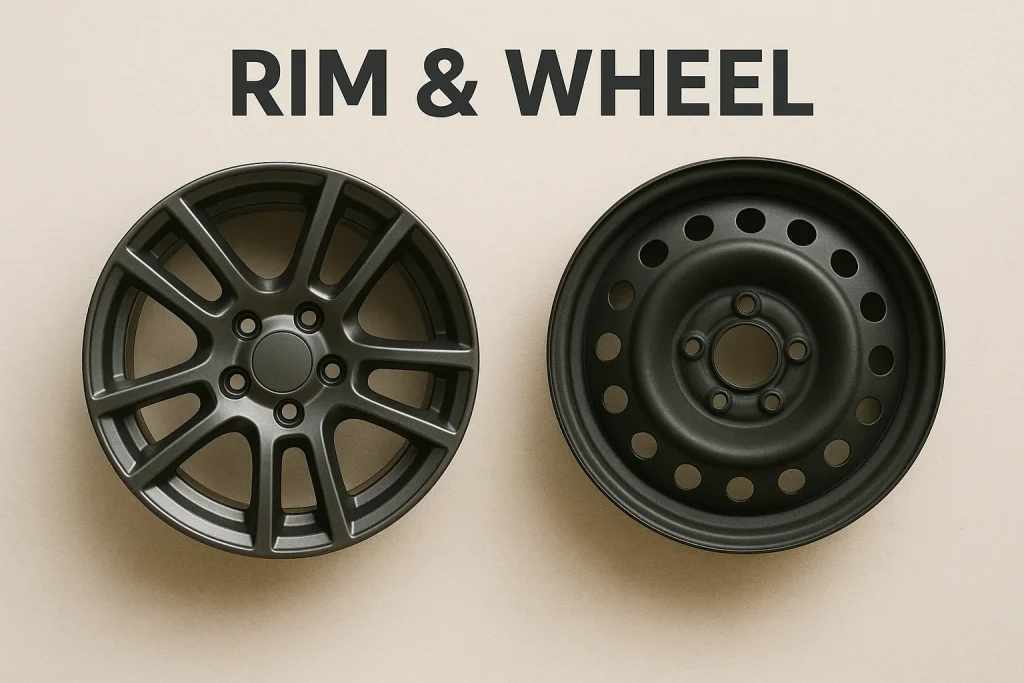
A “rim” is the outer edge of the wheel that holds the tyre, while the “wheel” is the entire metal assembly (rim + hub + spokes + centre).
Because many people say “nice rims” when they mean the whole wheel, there’s confusion. But when you’re selecting off-road components, knowing the exact part matters.
So, from here on out in this guide, whenever we talk about alloy vs steel rims, we mean the actual rim part; the metal edge your tyre sits on, not just any wheel.
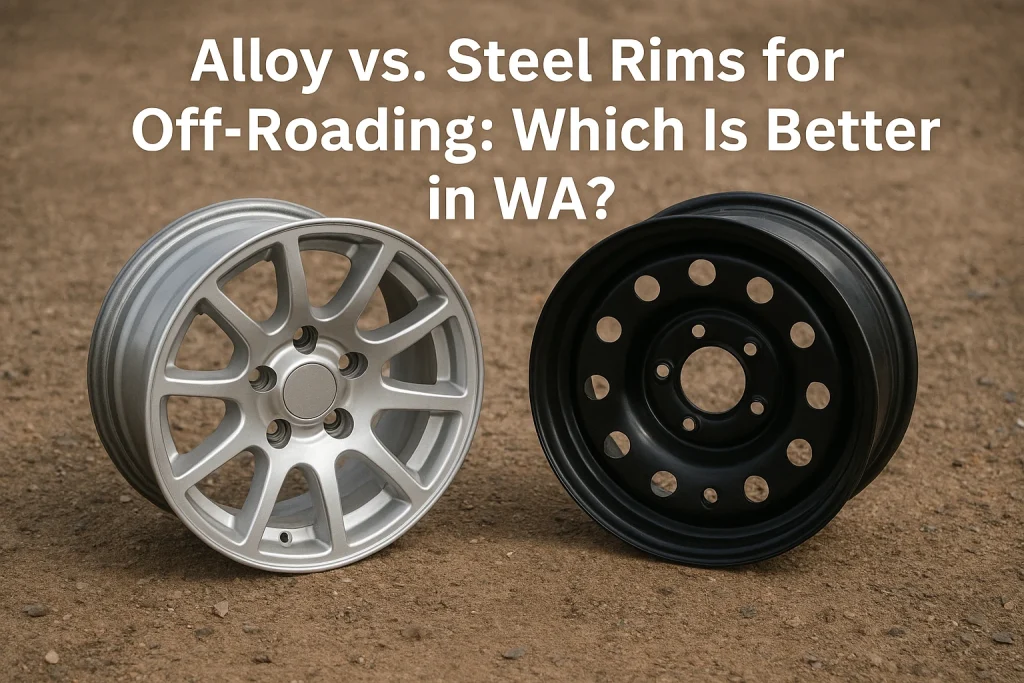
Alloy vs. Steel Rims for Off-Roading: What’s the Difference?
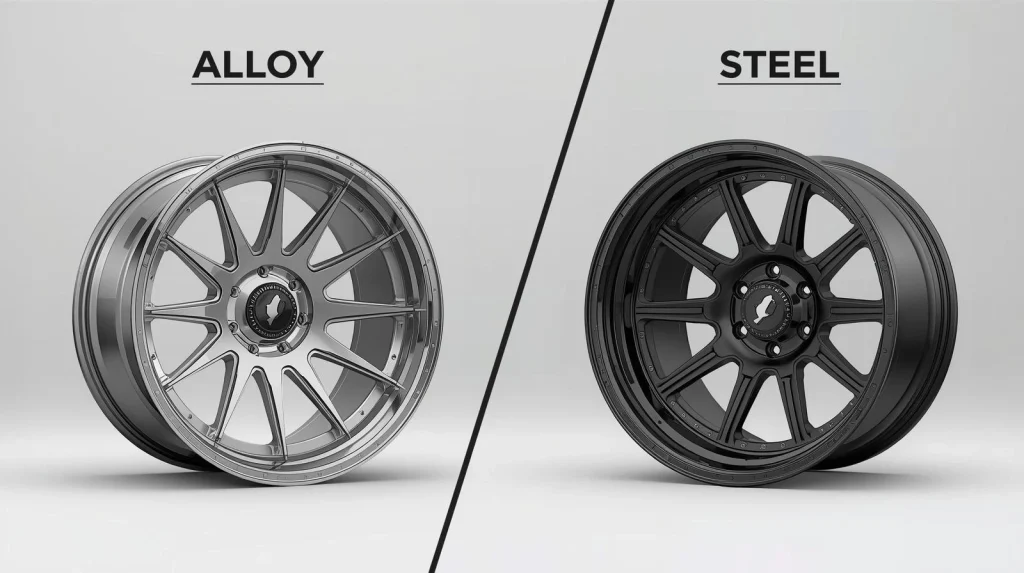
Alloy rims (aluminium/magnesium) give you lightweight 4×4 wheels. They improve handling, reduce rotating mass, and offer stylish options. Ideal for mixed driving, sand dunes or highway-to-trail setups.
Steel rims (pressed/welded steel) deliver heavy-duty steel rims built for punch. They’re heavier, tougher under high impact and cheaper to replace or repair — perfect for harsh trails or remote locations.
When deciding between rim types, think of two very different roles: lightweight performance vs heavy-duty resilience.
Let’s get into the details:
Alloy Rims for Off-Roading | Lightweight Performance & Modern Style
Alloy rims are aluminium or aluminium-magnesium blends that give lighter rotating mass, better handling and modern looks, ideal if you want responsive performance, lower fuel burn and a tidy on-road ride.
Alloys also come in many sizes and finishes, so you can match looks and function.
Quick note on types: cast alloys are common and cost-effective; forged alloys are stronger and more impact-resistant but pricier — consider forged if you want near-steel strength with alloy weight savings.
Pros and Cons of Alloy Rims
Pros:
- Hard to bend or distort under mild impacts.
- Strong rim edges for normal off-road knocks.
- Extremely rigid — helps handling and tyre balancing.
- Won’t rust like steel if the finish scratches.
- Better suited to low/medium impact off-road use.
- Easier to balance (smoother road manners).
- Low heat conductivity (helps with tyre/ABS heat).
- Wide range of styles and sizes for personalisation.
Cons:
- Can crack on severe impacts.
- Rarer in remote regions.
- Difficult or impossible to repair if cracked.
- More costly than steel rims upfront.
- Higher theft risk due to resale value.
Steel Rims for Off-Roading | Heavy-Duty Durability & Easy Repair
Steel rims are stamped or rolled from thick steel. They are heavier but exceptionally tough; they bend rather than crack and are usually repairable on the track, making them a practical choice for hard off-road use and remote travel.
Pros and Cons of Steel Rims
Pros:
- Easy to bend back into shape; rarely crack.
- Malleable and able to withstand high-impact forces.
- Strong centre section for load carrying.
- Affordable and often available in regional areas.
- Can be reshaped on the trail in many cases.
Cons:
- Conduct heat more quickly (can affect tyre pressure stability).
- Can distort more easily at the rim lip under repeated stress.
- Prone to rust if paint or coating gets scratched.
- Heavier; increases unsprung mass and fuel use.
- Limited style and size options compared with alloys.
Below is how they compare:
Alloy vs. Steel Rims: A Detailed Comparison
Both rim types perform well off-road, but each has its strengths. Here’s how they differ in weight, durability, performance, and cost.
Wheel Weight – Unsprung & Rotating Mass
Alloy rims are significantly lighter, which reduces unsprung and rotating mass. This means your suspension reacts faster to bumps, giving smoother handling, better acceleration, and shorter braking distances. Lighter rims also reduce fuel consumption, making them ideal for sand driving and long-distance touring.
Steel rims, on the other hand, are heavier. The extra weight adds stability on uneven terrain but can make steering feel heavier and reduce fuel efficiency. Heavier rims also increase stress on your suspension over time.
Why it matters:
- Unsprung mass is the weight not supported by the suspension (like wheels and tyres). Reducing this helps your suspension stay in better contact with the ground, especially on rough tracks.
- Rotating mass is the energy needed to spin the wheel. Lighter alloys spin easier, improving throttle response and braking performance.
In off-road conditions, this means alloy rims enhance comfort and efficiency, while steel rims add rugged balance and stability.
Durability Showdown – Alloy vs. Steel Wheel Strength on the Trail
When it comes to strength, the biggest difference lies in how each rim reacts to impact.
Steel rims bend under force, which makes them easy to straighten with basic tools if damaged during off-roading. Their flexible nature makes them perfect for rocky or remote areas where on-the-spot repair is possible. However, if the coating chips off, they can rust, especially after beach runs.
Alloy rims are much harder and more rigid, which means they resist minor dents and warping. However, under severe impact, they can crack instead of bend, and a cracked rim usually needs replacing. Forged alloy rims are an exception — they’re stronger than cast alloys and close to steel in durability, but they come at a premium price.
Key differences:
- Impact reaction: Steel bends; alloy cracks.
- Repairability: Steel rims can be straightened; cracked alloys usually can’t be fixed.
- Corrosion: Steel can rust if scratched; alloys resist rust but may oxidize over time.
So, choose steel rims for rocky, remote trails where repair is key. Go with alloys for lighter terrain and mixed highway-off-road driving.
Terrain-Based Wheel Performance
Different terrains demand different rim strengths and weights. Here’s how they compare in real-world off-road conditions:
- Rock Crawling: Steel or forged alloy rims are ideal. Their ability to bend or resist cracking helps protect tyres from sharp rocks.
- Sand Dunes & Beaches: Alloy rims perform best due to their light weight, improving acceleration, flotation, and traction on soft sand.
- Mud & Forest Tracks: Both rim types work. Steel rims can handle impacts and mud build-up but need recoating after. Alloys resist rust and are easier to clean after muddy runs.
- Overlanding / Long Tours: Alloy rims save weight, reduce suspension fatigue, and improve fuel efficiency over long drives.
Hence, for rocky trails, choose steel; for sand and touring, pick alloy. Always match your rim choice to where you drive most.
Costs, Maintenance, and Repair
Steel rims are more affordable to buy and repair, making them ideal for budget-conscious or heavy off-road drivers. Alloy rims cost more upfront but offer better handling and lower long-term wear and fuel costs.
Average cost (AUD):
- Steel rims: $100 – $250 each
- Alloy rims: $200 – $600 each
Repair and maintenance:
- Steel rims can often be straightened or welded within 1–3 hours at most workshops.
- Alloy rims, if cracked (especially around the bead area), typically need full replacement.
Maintenance tips:
- Rotate and balance wheels every 10,000 km for even wear.
- Wash off sand, salt, and mud after each off-road trip.
- Touch up scratches or chipped paint to prevent rust on steel rims.
- Apply anti-corrosion coatings for beach and coastal use.
Choose steel rims if you prioritise ruggedness and low repair costs. Choose alloy rims if you value lighter weight, smoother handling, and long-term performance efficiency.
Quick Comparison: Alloy vs. Steel Rims
Feature | Alloy Rims | Steel Rims |
Weight | Lightweight | Heavier |
Strength | Strong under moderate impact; can crack under heavy force | Extremely tough; bends instead of cracking |
Durability | Resistant to rust but prone to cracking if hit hard | Can rust when scratched but lasts long with care |
Repairability | Difficult or impossible | Can be bent back or reshaped |
Performance | Great for mixed use and highway comfort | Ideal for rugged off-road and remote tracks |
Style & Customisation | Wide range of modern styles and finishes | Basic, limited designs |
Price | Higher upfront cost | Budget-friendly and easy to replace |
Availability | Common in urban areas and online | Readily available even in remote regions |
So, Which Rims Are Right for You – Alloy or Steel?
- Choose alloy rims if you prioritise lightweight performance, better handling, and a modern look for both highway and off-road adventures.
- Opt for steel rims if you need rugged strength, easy repairability, and reliable performance on tough, remote trails.
Ready to upgrade your 4×4 rims for your next WA adventure?
Keep Your 4×4 Adventure Smooth with Expert Wheel Balancing
Whether you run steel or alloy rims, a perfectly balanced wheel ensures every off-road trip in WA is safer, smoother, and more controlled. Our Wheel Balancing Service in Morley checks and corrects imbalances, improving handling, reducing tyre wear, and giving you confidence on rocky trails or sandy dunes. With our expert team at Motor Mate WA, your 4WD will feel ready for any terrain, every time you hit the road.
Get Expert Off-Road Wheel Fitting and Balancing at Motor Mate WA
Whether switching from steel to alloy or just needing your wheels checked, Motor Mate WA offers tyre fitting, wheel alignment, balancing, and rim repair services to keep you adventure-ready.
FAQs
- What is the difference between alloy rims and steel rims?
Alloy rims are made from aluminium (sometimes mixed with magnesium) and are lighter, more stylish and better for handling. Steel rims are made from pressed steel, heavier and simpler, but more forgiving to severe impacts and cheaper to buy and repair.
- Which rims are better for off-roading, steel or alloy?
It depends on your terrain. Steel rims for off-road are better for hard rock and remote trails because they bend (and can often be repaired). Alloy rims suit mixed driving, sand dunes and overlanding where lighter weight and better handling matter.
- What are the benefits of steel wheels over alloy wheels?
Steel rims are tougher under big impacts, much cheaper to replace or repair, and usually easier to source in regional areas, making them a practical choice for heavy duty or remote off-road use.
- Which is stronger: alloy or steel rims?
Strength depends on the stress type. Steel is tougher under blunt impacts (it bends). Alloys are stiffer and lighter but can crack under severe hits. Forged alloys narrow this gap by offering higher impact resistance.
- Which wheel gives better fuel economy, alloy or steel?
Alloy wheels usually deliver better mileage because they’re lighter (lower rotating and unsprung mass), which improves acceleration and reduces fuel consumption over long drives.
- What is the downside of alloy rims?
Main downsides: higher upfront cost, greater risk of cracking in heavy impacts, and limited repair options in remote areas. They can also attract theft due to resale value.
- What is the disadvantage of steel rims?
Steel rims are heavier (which can reduce handling and fuel economy), can rust if coating is damaged, and offer fewer style/size options than alloys. They may also be harder to balance perfectly if bent.
- What is the best rim size for 4×4 off-roading in Australia?
Common off-road rim sizes are 16″–18″. Smaller rims (16–17″) give taller sidewalls for cushioning on rocks; 17–18″ balance clearance and tyre variety many 4×4 owners prefer 17″ as a practical compromise.
- How do I choose between forged vs cast alloys for off-road?
Forged alloys are stronger and lighter (best for serious off-road, heavy towing or mixed driving) but cost more. Cast alloys are cheaper and fine for normal off-road use. Pick forged for durability and cast for budget.
- Is it worth upgrading to alloy rims?
Yes, if you want lighter weight, improved handling, better heat dissipation for brakes and a modern look but weigh the higher cost and repairability risks. If you frequently tackle severe rock or remote trails, steel (or forged alloy) may be the smarter option.